

Rolex Oyster Perpetual Replica: 28–41 mm Size and Dial Guide
Oyster Perpetual looks simple because it has no date, rotating bezel or chronograph. That simplicity actually makes proportion and dial execution more important. The current genuine collection spans 28, 31, 34, 36 and 41 mm sizes, so a replica needs to be judged against the exact size it is trying to reproduce.
Five current sizes create five different balances
The current Oyster Perpetual collection includes 28, 31, 34, 36 and 41 mm. Marker size, crown proportion, lug length and bracelet width should scale with the case. A generic dial or bracelet reused across multiple sizes can make a replica look subtly wrong.
Dial colour gets attention, but geometry matters more
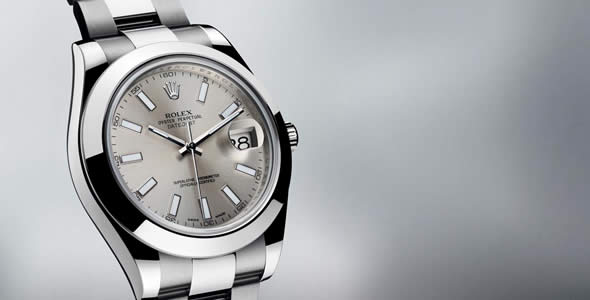
Bright dial colours are popular and easy to market. Colour accuracy is hard to judge from processed product photography, so prioritize marker alignment, printing, hand length and minute-track spacing. Ask for neutral-light photos before making conclusions about colour.
Three-hand simplicity exposes movement behavior
There is no date or GMT function to hide behind. Crown positions should be simple and appropriate to a no-date watch. If a replica has an unused date-setting position, that may indicate a generic movement. Whether that matters depends on your priority, but it should be disclosed.
Case thickness and bracelet integration
Oyster Perpetual should not feel excessively bulky. Check side profile, crystal height, lugs and end links. On smaller sizes, a thick movement can create a disproportionate caseback; on 41 mm, broad dial area makes lug and bezel balance more obvious.
Bracelet and clasp
Inspect brushing, end-link fit, taper and clasp operation. A simple watch can feel cheap if the bracelet rattles excessively or the end links leave visible gaps.
2026 catalogue changes are a reminder to use current references
Rolex’s 2026 catalogue includes new Oyster Perpetual configurations and materials. That means older replica pages can become outdated even if their general model description remains correct. Compare a listing to the current or historical reference it specifically claims, not to an old generic specification table.
Oyster Perpetual QC checklist
- Confirm the intended case size.
- Check dial geometry and marker spacing before colour.
- Inspect case thickness and lug proportion.
- Check bracelet/end-link fit.
- Ask for movement identity and crown positions.
- Separate material claims from visual finish.
Size selection changes more than wrist presence
Oyster Perpetual 28, 31, 34, 36 and 41 use the same broad three-hand idea, but the relationship between dial, bezel and bracelet changes at each size. A replica maker that scales one design mechanically can end up with oversized markers on a small dial or excessive empty space on a large one. Compare each size independently rather than assuming the 36 mm version is simply a smaller 41.
For buyers deciding between 34 and 36, or 36 and 41, wrist photos can help with appearance but should not replace actual measurements. Lug-to-lug length and case thickness influence fit as much as diameter.
Why OP replicas expose dial-quality differences
There are few complications to distract the eye. Uneven marker alignment, incorrect hand length, poorly centered coronet-style logos or inconsistent printing can therefore stand out. Bright colours may attract attention first, but the geometry of the dial is a more stable quality check. Ask for a high-resolution straight-on image and compare the distance from each marker to the minute track.
Oyster Perpetual FAQ
Which Oyster Perpetual size is easiest to replicate?
There is no universal answer. Smaller sizes challenge movement/case proportion; larger sizes expose dial spacing and case geometry.
Does a no-date watch need a no-date movement?
Not necessarily for basic function, but an unused date position can reduce mechanical fidelity.
Can product photos reliably show dial colour?
Only partly. Lighting, white balance and editing can significantly change how a lacquered dial appears.